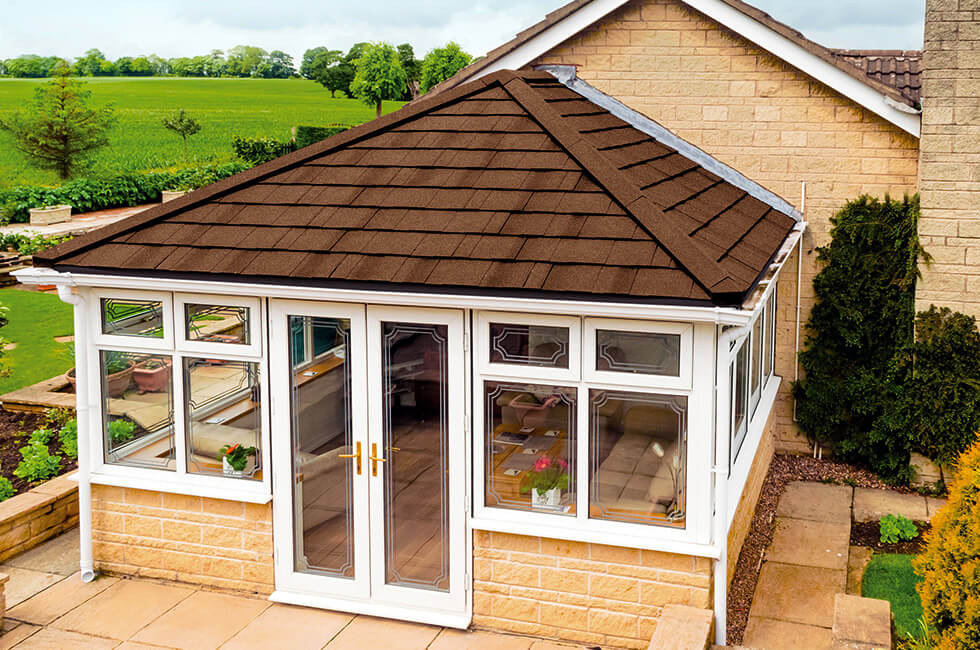

Replacing an old conservatory roof is an opportunity to make the space work better for your home. Traditional polycarbonate roofs are affordable and let in plenty of natural light, but they offer less insulation than a warm roof. Although a warm roof costs more to install, its insulated construction can help maintain a more comfortable temperature throughout the year.
At Dream Installations, we’ve been helping homeowners across Suffolk and Norfolk improve their homes since 2003. In this guide, we’ll compare the upfront costs, potential energy savings and long-term practicality of both options over ten years.
Upfront cost: warm roofs vs. traditional polycarbonate
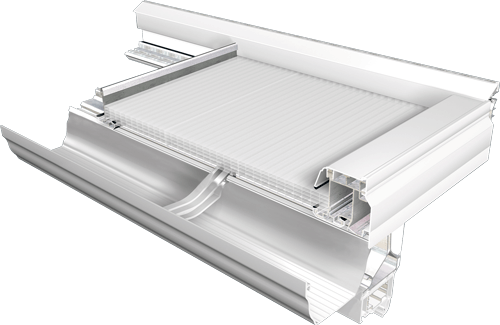
Polycarbonate remains a popular choice for homeowners working to a tight budget. We supply 25mm and 35mm polycarbonate roofing in clear, opal and bronze tints, with optional foil inserts to help regulate the temperature. However, the insulation performance of an older roof depends on its specification and condition.
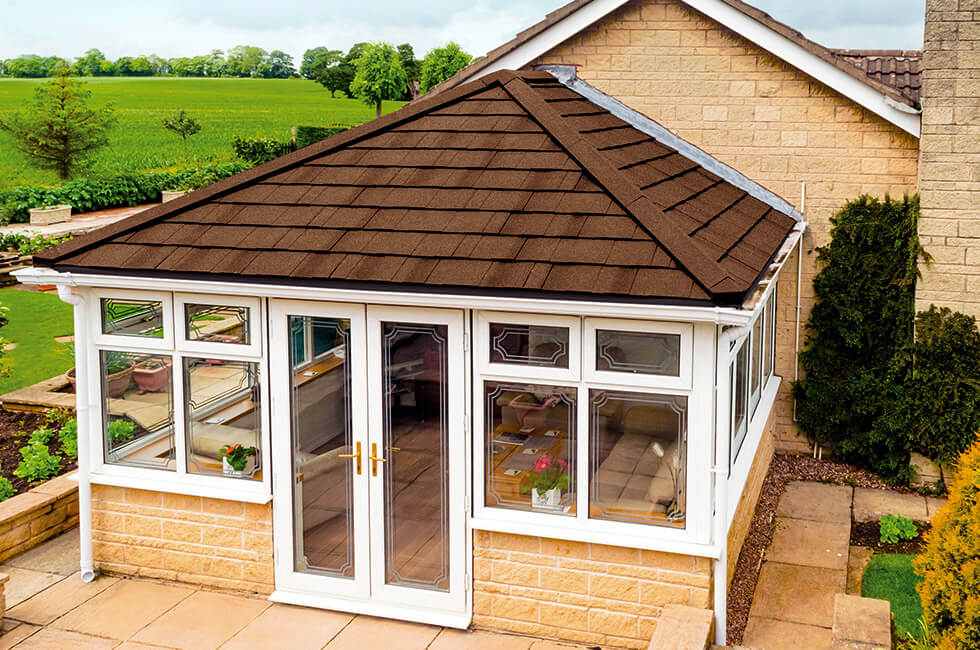
A warm roof system involves more materials and installation work. Our tiled roofs incorporate insulation layers, a breathable membrane and lightweight roofing materials to improve thermal performance. Depending on your chosen finish, designs can offer a traditional look or complement the existing style of your home.
The final cost depends on the roof’s size, design, materials, labour and any structural work required.
We assess every conservatory individually, providing a free, no-obligation quote based on your property rather than a single price that may not apply to your project.
Upfront cost vs. long-term energy savings
Checkatrade’s March 2026 conservatory roof replacement cost guide estimates the following prices for a 3 × 3.5m roof. These national estimates provide an indication of the upfront cost of each option, rather than a quote for your property.
| Factor | Traditional polycarbonate | Tiled warm roof |
| Illustrative upfront cost | £6,300 | £7,875 |
| Initial price difference | — | £1,575 more |
| U-value | 1.75 W/m²K | As low as 0.18 W/m²K |
| Typical lifespan | Around 10–15 years | More than 20 years |
| Dream Installations guarantee | 10 years | 10 years |
A tiled warm roof costs an estimated £1,575 more upfront than a traditional polycarbonate roof of the same size. That’s a 25% increase on the estimated polycarbonate price. The higher initial cost may be worthwhile if improved insulation makes the conservatory more comfortable to use and reduces the energy needed to heat it. However, the financial return will depend on actual energy savings, maintenance costs and whether either roof needs replacing during the ten-year period.
How the savings build over ten years
A U-value measures how readily heat passes through a building element. The lower the figure, the better its insulating performance. Based on our published figures, a warm roof can achieve a U-value as low as 0.18 W/m²K, compared with 1.75 W/m²K for 25mm polycarbonate.
This means our warm roof systems can offer substantially better insulation, with around 90% lower heat transfer through the roof under the same conditions. However, this doesn’t mean your household energy bills will fall by 90%. The actual savings will depend on your conservatory’s overall performance, how often you heat the space and how much energy you use.
Actual savings depend on factors such as conservatory size, existing glazing, heating system, how often you heat the room and energy prices. Traditional glass and glass roofs also have different thermal properties, so the full specification matters when comparing options.
Years one to five
During the first five years, the main consideration is whether the additional upfront cost is justified by the practical benefits. In our example, the tiled warm roof costs £1,575 more to install. Its insulated construction can help the conservatory retain heat and maintain a more comfortable temperature, although the extent of the benefit will depend on the existing structure and how you use the space.
Years six to ten
Over the following five years, any energy savings will depend on how often you heat the conservatory, your heating system and energy prices. Better heat retention may reduce the energy needed to maintain a comfortable temperature, but the amount saved will vary between households. Maintenance and the potential need for repairs or replacement will also affect the overall cost over ten years.
To recover the additional £1,575 within ten years through energy savings alone, you’d need to save an average of £157.50 a year, or approximately £13.13 a month. This is the break-even target, not a forecast of what you’ll save. Actual savings could be lower or higher depending on how you use the conservatory and your energy costs. The calculation also excludes differences in maintenance and replacement costs.
Durability, maintenance and property value
Our warm roof cost comparison gives typical lifespans of 10–15 years for polycarbonate roofs and more than 20 years for our warm roof system. Actual lifespans vary with the product, installation and conditions.
Polycarbonate roofing is lightweight and cost-effective, although older sheets can become discoloured or brittle over time and may eventually need replacing. A tiled warm roof provides a solid finish, with colours and styles available to complement your home’s appearance, including natural slate-style options where available. Both roof types need appropriate care, with maintenance requirements depending on the materials used and the condition of the installation.
Improved insulation may also make your conservatory feel more like an extension of your home, creating a more comfortable and usable space throughout the year. However, replacing a translucent roof with a solid one reduces the amount of natural light entering from above, so it’s worth weighing this up against the potential thermal benefits.
A more comfortable, practical conservatory may appeal to future buyers, but any effect on your property’s value will depend on the home and local market. We wouldn’t treat a potential increase in sale price as a guaranteed return on investment.
Is a warm roof worth the investment over ten years?
A warm roof is worth considering if you want to use your conservatory more often and prioritise thermal performance over the lowest upfront price. Improved insulation and a longer typical lifespan can offer better long-term value, although the financial return depends on installation costs and actual energy savings.
Building regulations and professional installation
Replacing a translucent conservatory roof with a solid tiled system can bring additional building regulations requirements, particularly around structural safety and thermal performance. Planning permission is a separate consideration and depends on the property and the scope of the work. Check the relevant requirements before installation, and ask your installer to explain what approvals your project needs.
Our tiled roof systems have Local Authority Building Control (LABC) approval, and we assess the existing conservatory to establish whether strengthening or other work is needed. Professional installation helps ensure the chosen roof is suitable for the structure and fitted correctly, giving you greater peace of mind.
Get a free quote for your conservatory roof replacement
If your old conservatory roof leaves the room too cold in winter or too hot in summer, a warm roof replacement could make the space more comfortable and practical. The best solution will depend on your budget, the existing structure and how you want to use the room.
At Dream Installations, we help homeowners compare warm roof designs and replacement options to find a solution that suits their property and budget. We can explain the likely costs, discuss the styles available and help you weigh up the potential long-term benefits.
Call us on 01502 585 620, visit our showroom in Lowestoft or request your free quote online.