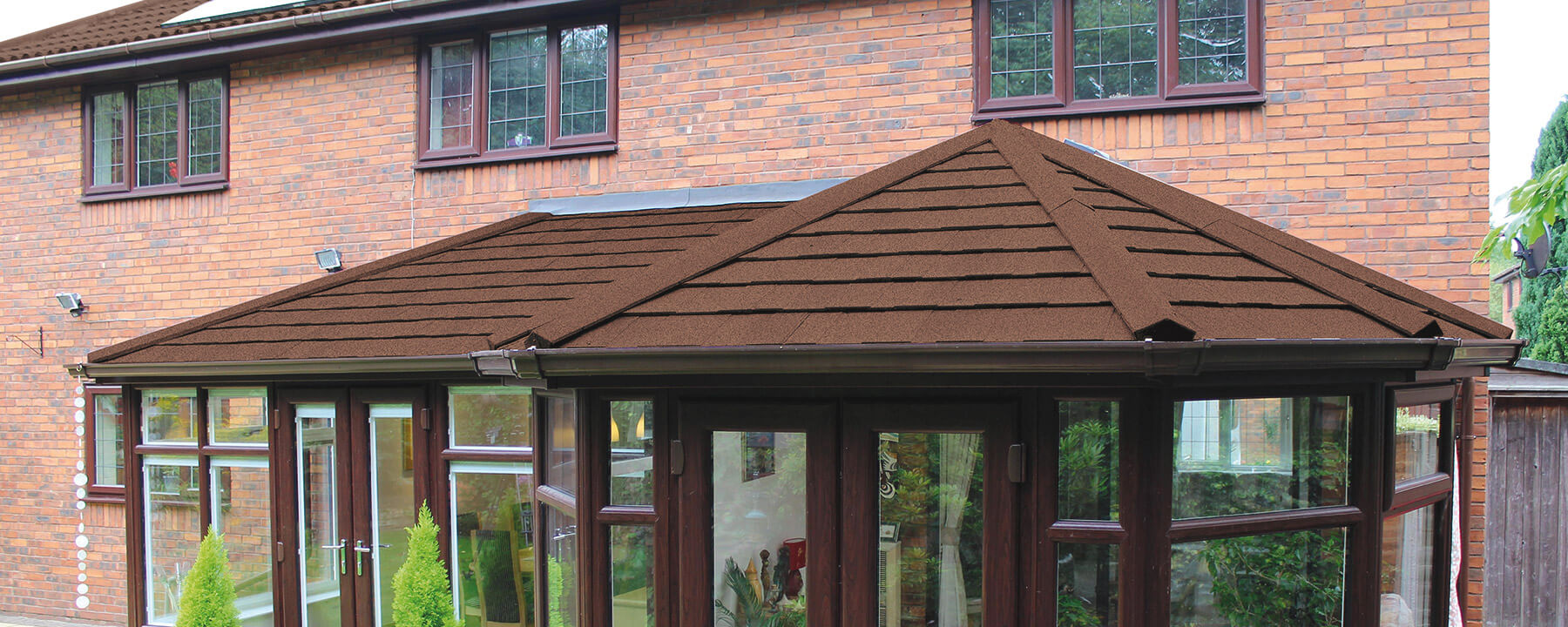

Most warm roof conservatories in Norfolk do not need planning permission. If your project falls within permitted development rules on height, depth and position, you can go ahead without an application. Listed buildings, conservation areas and homes with an Article 4 Direction are the main exceptions.
The planning question often comes up early for homeowners in Norfolk and Norwich, and getting it wrong can mean delays, extra cost or altering work already under way. At Dream Installations, we’ve spent over 30 years helping homeowners across Norfolk and Suffolk with conservatory projects, including warm roof installations, and for the vast majority of these, formal planning permission simply isn’t required.
What is a warm roof conservatory?
A warm roof conservatory replaces a traditional glass or polycarbonate roof with a solid, insulated roof system, built to improve thermal performance and keep the room comfortable all year.
We install the Eurocell Equinox tiled roof system, a lightweight design that suits many roof replacement projects, with roof windows available for natural light.
What counts as permitted development for a conservatory?
Permitted development rights allow many homeowners to build a conservatory without submitting a planning application, provided the finished structure stays within set limits.
For a typical single-storey rear conservatory, this generally means:
- A depth of no more than 3 metres beyond the rear wall for a semi-detached or terraced house, or 4 metres for a detached house
- An overall height no higher than 4 metres
- An eaves height no higher than 3 metres if the conservatory sits within 2 metres of a boundary
- The conservatory covering no more than half the total area of garden around the original house, once other extensions and outbuildings are counted in
- No structure built forward of the principal elevation where it faces a road
These limits apply to a glass roof and to a warm roof alike, since permitted development rules focus on the extension’s size, height and position rather than simply the roofing material. Previous extensions can also affect how much additional development is permitted, as the rules look at the total enlargement of the original house.
Larger rear extensions can sometimes proceed under a prior approval process, allowing projections of up to 8 metres for detached houses and 6 metres for other houses, subject to the relevant requirements and neighbour consultation.
Does switching to a tiled warm roof need planning permission?
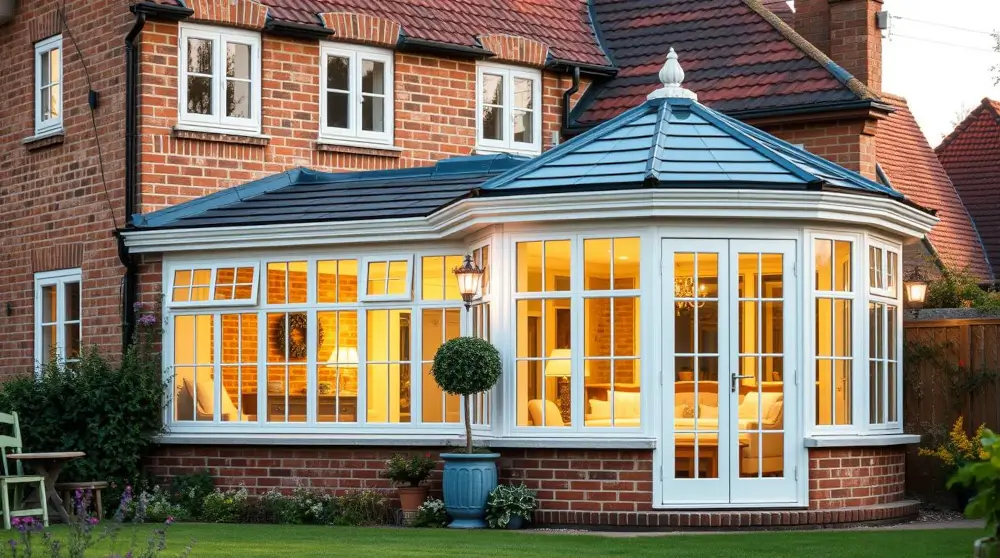
Replacing an existing conservatory roof with a tiled warm roof does not usually trigger a new planning application simply because the roofing system is changing. However, the proposed work still needs to comply with the relevant planning requirements, and the new roof’s height and profile are worth checking before work begins.
Before a roof replacement, our installers can assess your existing structure and talk you through the options for your property.
When Norfolk homeowners might need permission
Norfolk’s mix of period cottages, listed farmhouses and conservation areas across towns like Norwich, Holt and Aylsham means a handful of situations call for extra care:
- Listed buildings: additional controls apply and listed building consent may be required. The requirements depend on the property and the proposed work.
- Conservation areas: some permitted development rights are more restricted on designated land. For example, certain side extensions are subject to additional restrictions, while a rear conservatory does not automatically require planning permission if the relevant conditions are met.
- Article 4 Directions: an Article 4 Direction can remove permitted development rights within a defined area, meaning work that would normally be permitted development may require a planning application.
If any of the above sound like your situation, your local planning authority can confirm the position before work starts.
What about building regulations?
Planning permission and building regulations are separate matters, and not needing one doesn’t mean the other can be ignored.
Conservatories are normally exempt from building regulations if they are at ground level and have a floor area of less than 30 square metres. They must also be separated from the house by external-quality walls, doors or windows and have an independent heating system with separate temperature and on/off controls.
A new structural opening between the conservatory and the house will still require building regulations approval, even where the conservatory itself is otherwise exempt.
A warm roof replacement can also affect the building regulations position, particularly where the work changes the structure or thermal performance of the existing conservatory. Our Equinox tiled roof system is designed with building regulations requirements and thermal performance in mind.
Why Norfolk homeowners choose a warm roof conservatory
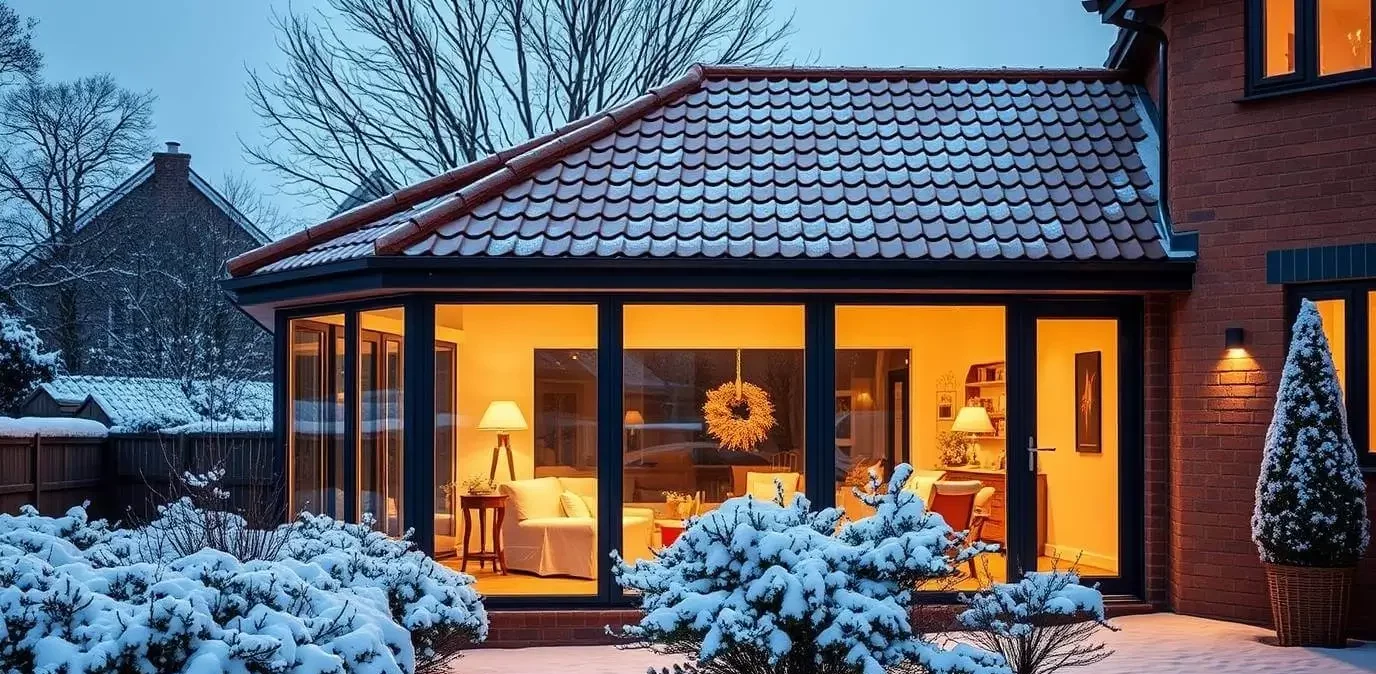
Norfolk’s coastal winds and changeable weather make thermal insulation a genuine practical concern rather than an afterthought. A tiled conservatory roof can improve insulation compared with older glass or polycarbonate roofs, helping the room retain heat more effectively and potentially reducing energy costs.
You can still bring natural light into the room with roof windows, while a choice of tiled finishes can help the roof complement the existing house. A warm roof can also reduce glare compared with a fully glazed roof and help make the space more comfortable throughout the year.
This makes a warm roof an option worth considering for a new conservatory, an orangery-style extension or an upgrade to an existing structure, particularly if you want a room with better functionality throughout the year.
Book your free site assessment
If you’re thinking about a warm roof conservatory in Norfolk, we can visit your home and talk through your requirements, including the planning and building regulations considerations for your project.
We serve homeowners across Norfolk and Suffolk from our Lowestoft base. Contact us to arrange your free site assessment, or request a quote online and take the first step towards a more comfortable conservatory you can enjoy throughout the year.