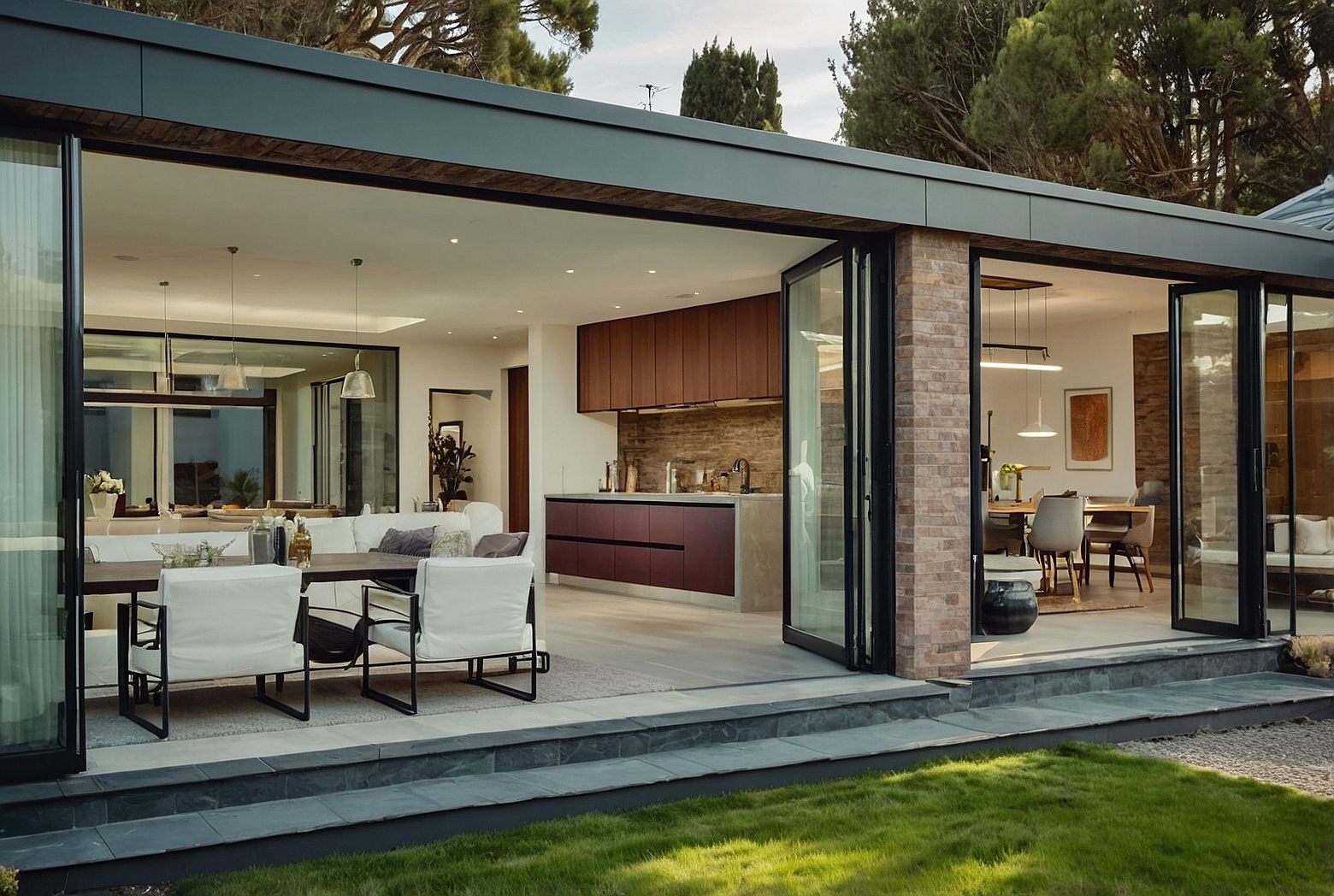

Flat warm roof construction is one of the most effective methods for insulating flat roofs in modern homes. It’s widely used in extensions, renovations, and garden rooms because it improves energy efficiency and reduces the risk of condensation.
This blog explains how flat warm roof construction works, the key components involved, and why it’s often the preferred option under UK building regulations.
What Is Flat Warm Roof Construction?
Flat warm roof construction is a method where the insulation is placed above the roof deck, rather than between or below it.
This keeps the structural elements of the roof like joists and decking warm and protected from temperature changes.
In simple terms:
- The structure stays warm
- The insulation sits on top
- The waterproof layer protects everything above
This design helps maintain a consistent temperature throughout the roof.
Key Components of a Warm Roof
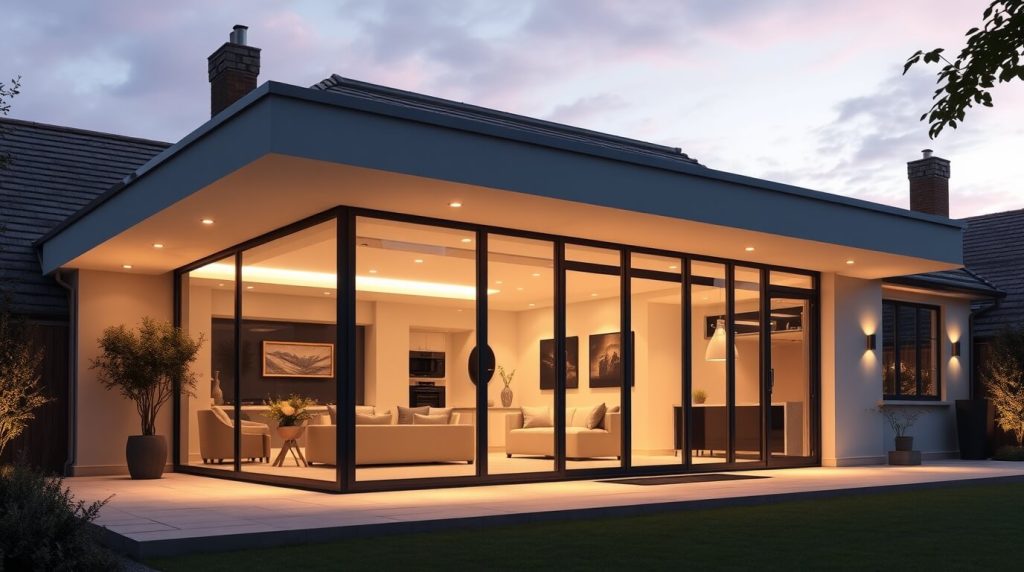
A flat warm roof is made up of several important layers, each with a specific role:
- Structural Deck
This is the base of the roof, usually made from timber (such as OSB or plywood). It supports the rest of the system.
- Vapour Control Layer (VCL)
The vapour control layer sits directly above the deck.
Its job is to stop warm, moist air from inside the building from rising into the roof and causing condensation.
- Insulation Boards
Rigid insulation boards are placed above the VCL.
These boards:
- Provide high thermal performance
- Keep heat inside the building
- Help meet energy efficiency standards
This is the key feature of flat warm roof construction.
- Waterproof Covering
The top layer is a waterproof membrane, such as felt, EPDM rubber, or fibreglass (GRP).
This layer protects the roof from:
- Rain
- Wind
- External weather damage
Why Insulation Goes Above the Deck
Placing insulation above the deck is what makes this a “warm” roof.
This approach:
- Keeps the entire roof structure at a stable temperature
- Reduces the chance of condensation forming inside the roof
- Improves overall thermal efficiency
In contrast, older “cold roof” designs often suffer from moisture problems because the structure is exposed to colder temperatures.
Benefits of Flat Warm Roof Construction
Better Energy Efficiency
Flat warm roof construction helps retain heat, reducing energy bills and improving comfort inside the home.
Reduced Condensation Risk
Because the structure stays warm, there is far less chance of condensation forming within the roof.
Longer Roof Lifespan
Stable temperatures mean less expansion and contraction, which helps materials last longer.
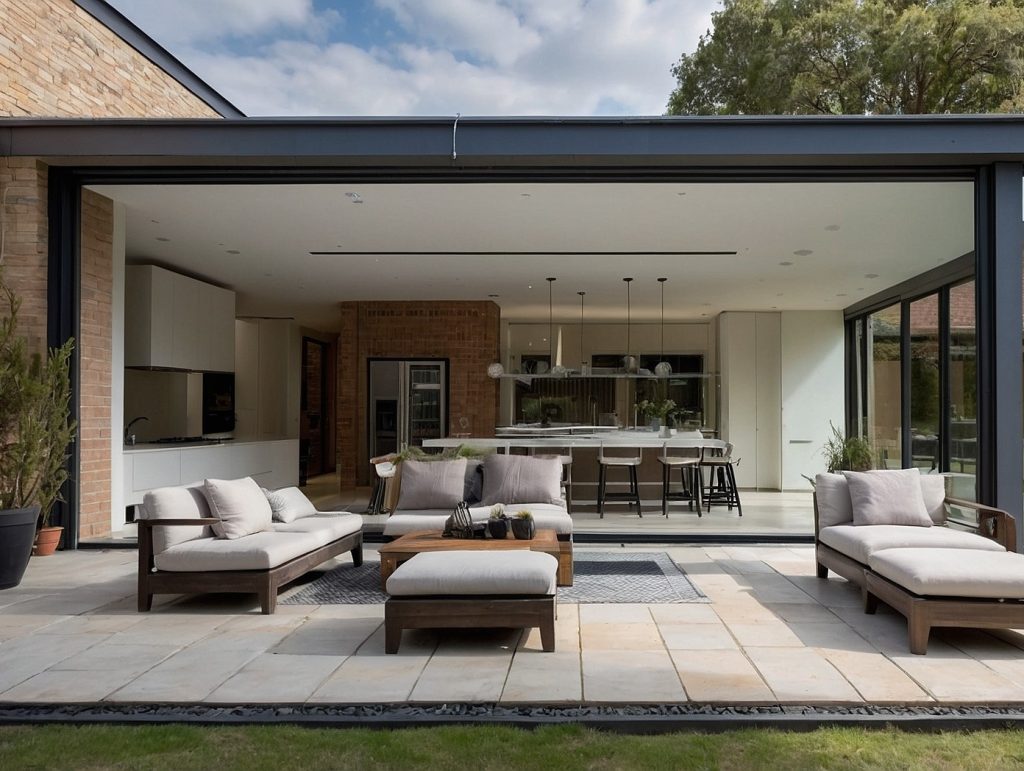
Ideal for Extensions and Renovations
Warm roofs are perfect for:
- Home extensions
- Garage conversions
- Garden rooms
They provide a modern, reliable solution that meets today’s standards.
Compliance with UK Building Regulations
Flat warm roof construction is widely recommended because it aligns well with UK building regulations.
To comply, roofs must:
- Meet minimum insulation (U-value) requirements
- Include a properly installed vapour control layer
- Provide effective waterproofing
Warm roof systems make it easier to achieve these standards compared to cold roof alternatives.
Why Choose a Warm Roof?
Flat warm roof construction is a simple but highly effective way to build or upgrade a flat roof.
By placing insulation above the roof deck, it:
- Improves thermal performance
- Prevents condensation
- Extends the life of the roof
For homeowners planning an extension or renovation, it’s a reliable, regulation-friendly option that delivers long-term benefits.
If you’d like to find out more about flat warm roofs from Dream Installations, get in touch today. You can call us on 01502 585 620 or send us a message online and we’ll get back to you as quickly as possible.