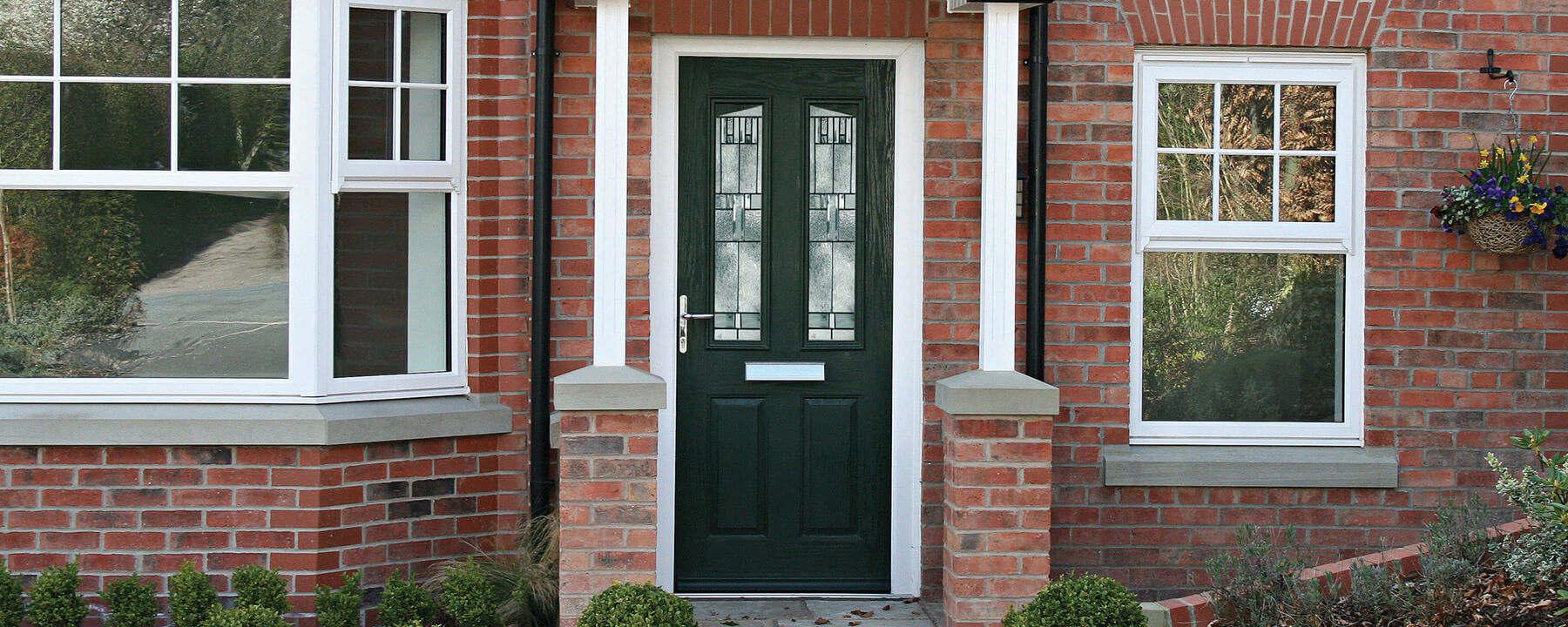

When choosing a new door for your property, the decision often comes down to two major contenders: composite and uPVC. At Dream Installations, we have been helping homeowners in Lowestoft and the surrounding areas navigate these choices since 2003. Founded by industry veterans Glenn Brodie and Roy Clements, our team have carefully selected a product range that prioritises long-term value, security and performance.
Understanding the differences when debating composite vs uPVC doors can be confusing. Here is a breakdown of the two most popular choice options to help you make an informed decision for your home.
Comparing the heavyweights
UPVC (unplasticised polyvinyl chloride) has been the industry standard for decades. It is a reliable, cost-effective plastic frame that offers good basic performance. On the other hand, a composite door is constructed using a combination of materials. These usually include a solid core (often timber, insulating foam, or glass-reinforced plastic) surrounded by a durable outer skin. This difference in construction helps withstand moisture and temperature changes, and is what sets the two door types apart in terms of strength and insulation.
Understanding the core difference
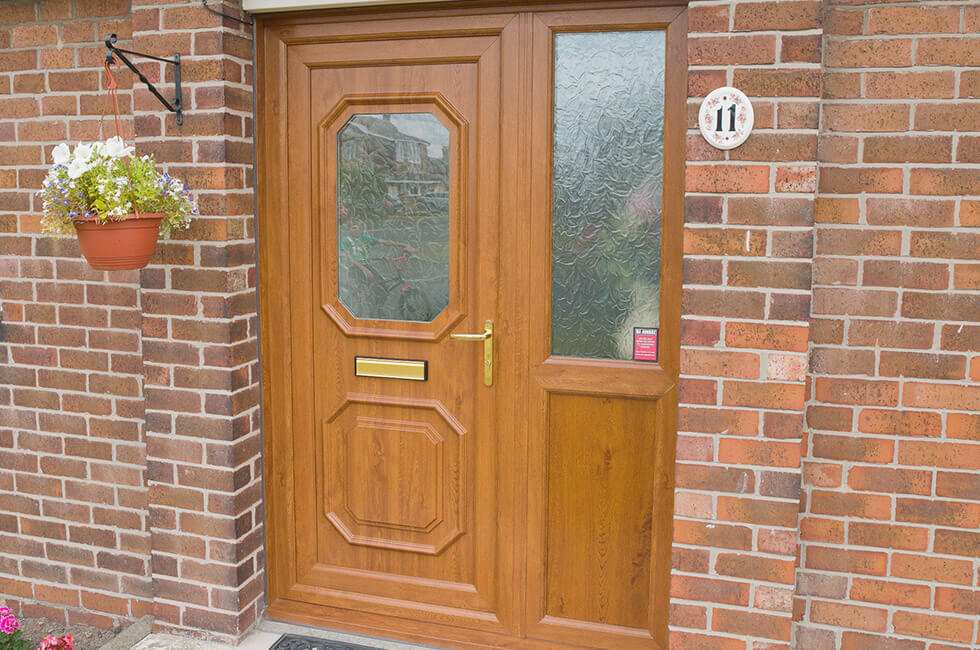
The primary difference lies in the build. A uPVC door is generally made from a single material, creating a lightweight yet sturdy frame that requires minimal maintenance. Because of its simpler manufacturing process, it remains a very affordable option for many households.
Conversely, composite doors are engineered to provide the best features of multiple materials. The combination of an insulating core and a tough outer layer makes them incredibly rigid and dense. If you are looking for a door that feels substantial to the touch, the composite option is often favoured.
Built to last
Durability is a major factor when replacing a front door. uPVC is resistant to rot and rust, making it a low-maintenance solution that performs well in the British climate. However, composite doors typically offer superior longevity. Due to their denser construction, they are less prone to movement or warping over time. If your property faces harsh weather conditions, the added rigidity of a composite door can provide greater stability over the decades.
Locking down your property
Both materials are capable of housing high-spec locking systems. Modern security features, such as multi-point locks and anti-snap cylinders, can be fitted to both uPVC and composite styles, offering excellent peace of mind. However, because composite doors are thicker and denser, they are often perceived as more resistant to forced entry. Regardless of which material you choose, ensuring professional installation is key to maintaining these high levels of security.
Tackling heat loss and efficiency
If reducing your energy bills is a priority, both options offer significant improvements over older, draughty timber frames. However, there is a distinction in performance. Because of their solid core construction, composite doors often provide slightly better thermal efficiency. They are designed to minimise heat loss, keeping your home warmer during the winter months. That said, high-quality uPVC doors are also very effective, and when paired with modern glazing, they provide excellent energy efficiency for the average home.
Aesthetics and design options
This is where the choice often comes down to personal taste. uPVC doors are available in a wide range of colours and finishes, including standard white, which is a classic choice for many.
If you prefer the look of wood but want the performance of modern materials, the composite door is an excellent choice. Many composite doors are designed to replicate the grain of natural timber so accurately that it is difficult to distinguish them from the real thing. Both options offer extensive design options, allowing you to tailor your entrance to suit your property’s architectural style.
Weighing the price tag
In terms of cost, uPVC is generally the more budget-friendly solution. It offers great value for those looking for a functional, durable upgrade without the premium price of a composite model. Composite doors represent a larger initial investment, but many homeowners find the increased durability and superior thermal insulation make them a top choice for better long-term value.
Making the right choice
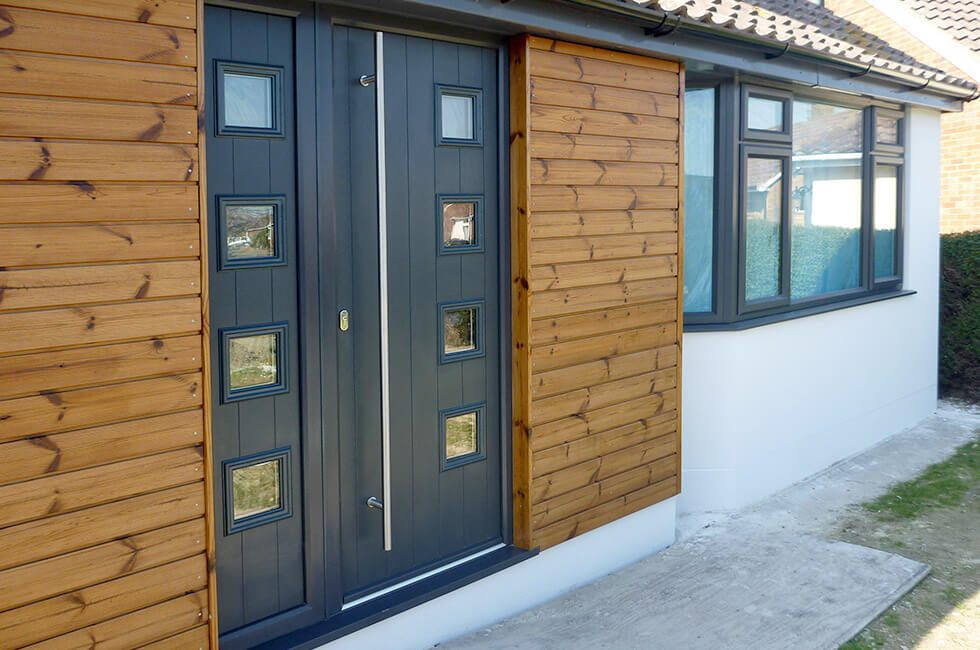
So, which is the right choice for your home? If budget is the primary constraint, a high-quality uPVC door is a fantastic, reliable option that will serve your home well. If you are looking for maximum thermal insulation, a thicker door profile, and a premium aesthetic, a composite door is likely the better fit.
Maintenance for both is straightforward. A quick wipe with a damp cloth and some warm soapy water is all you need to keep your entrance door looking fresh and clean throughout the year.
If you are still undecided, we encourage you to see the range of benefits for yourself. Visit our dedicated showroom in Lowestoft to get up close and personal with our products. Our team is always on hand to provide honest advice based on your specific needs.
Ready to start your home improvement journey?
Get in touch with the team at Dream Installations for more information about our range of doors and how they can be tailored to your requirements.
- Email us: info@dreaminstallations.org.uk
- Call us: 01502 585 620
Visit our website: https://www.dreaminstallations.org.uk/contact